
03:51
Yoga For Osteoporosis Welcome
video• 03:51• Premium
About this collection
Type: collection
Duration: 03:51
Access: Premium Content
Permalink: yogaforosteoporosiscollection
Notes List

Linda2023-04-28 14:49:01 UTC
<p>Have you looked into Dr Loren Fishman’s research? He has twelve poses he recommends for people with osteoporosis/ osteopenia- a focus on safely doing twist and concentrating on folding at the hips and not the waist- in fact no forward folds like downward facing dog etc </p><p>I’m looking forward to your take on poses. Thank you </p>

Lisa Ziegler 2023-04-27 05:57:40 UTC
<p>Super, can’t wait!a!!</p>

Rhonda2023-04-27 01:43:31 UTC
<p>Yea!!!!! Osteopenia is where I am at... this will be wonderful. thank you... </p>

Dorte Thellufsen2023-06-28 05:14:45 UTC
Done this series twice, and please - if you haven't tried it yet, go for it!!! It's for everyone, and you will get a new sense of your body, and Marnie just keeps it so real - she's a gem, and so is this series ❤️

Anna2023-05-04 22:15:52 UTC
Cant wait thank you

Amy Buechler2023-05-01 17:08:02 UTC
Looking forward to this! I have chemo-induced osteoporosis even though i sm only 45. So thankful for YWA to help me strengthen my bones. ❤️

KELLEY D2023-05-01 15:06:51 UTC
Looks good!

Joanna Scott2023-05-01 08:38:32 UTC
Welcome back, Marnie! I’m looking forward to learning from you on this course 😀 You’ve already inspired me to keep moving to look after my 43 year old bones ☺️
Linda2023-04-30 22:22:53 UTC
<p>Marni, not sure where to access the videos. Thanks Linda </p>

Kristine N2023-04-30 19:18:20 UTC
Ooooh! Welcome back, Marnie! Looking forward to this 😍
Videos: 8
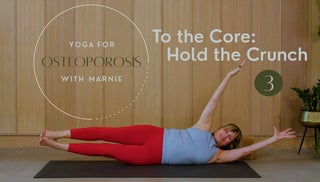
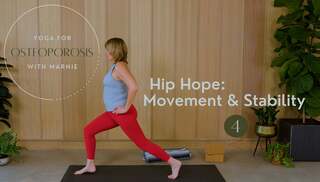
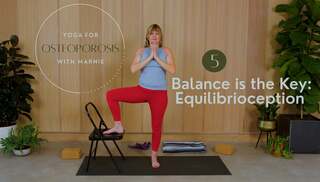
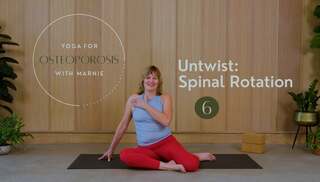
Quick Stats
Content ID#2202643
Category#
Typecollection